

Apapa Customs Launches Electronic Cargo Tracking System To Boost Trade, National Security
By Asuquo Nuwak
Apapa Customs Launches Electronic Cargo Tracking System To Boost Trade, National Security
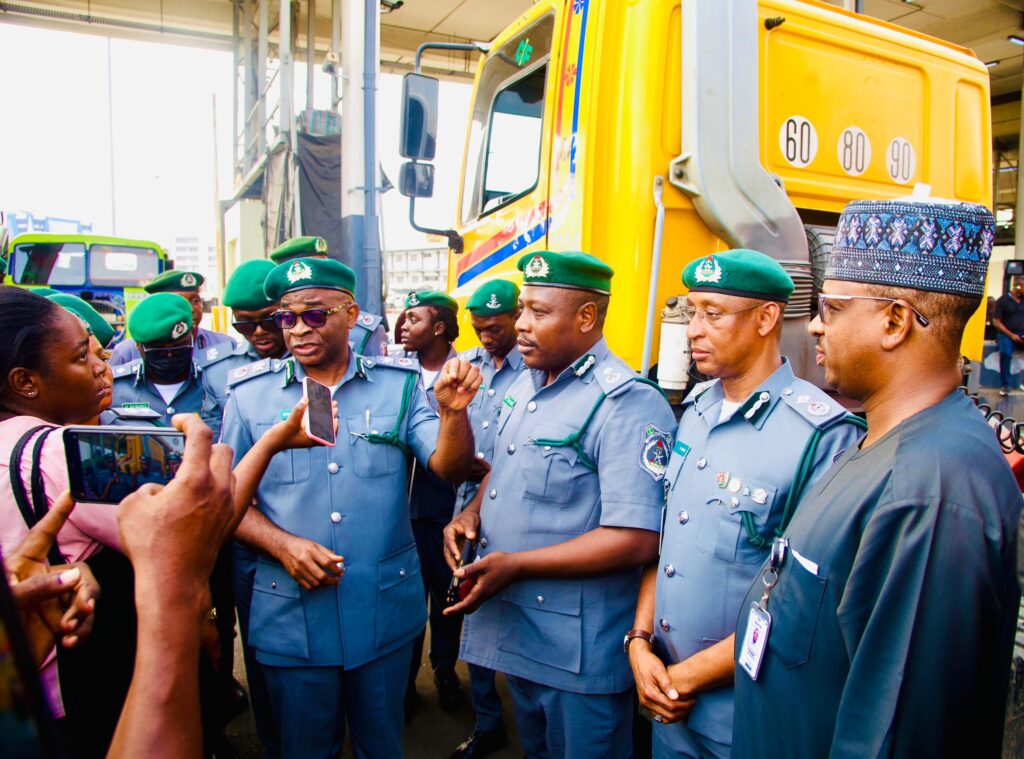
The Apapa Area Command of the Nigeria Customs Service has launched the Electronic Cargo Tracking System (ECTS), a digital innovation aimed at enhancing national security, boosting revenue generation, and facilitating seamless trade across Nigeria’s ports.
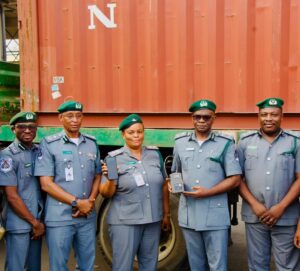
A press statement made available by the command’s Public Relations Officer, Superintendent of Customs (SC) John Tunde Tunde Ayagbalo, has indicated that the pilot phase of the initiative was conducted using a container designated for the Kano/Jigawa Area Command on 5th November, 2025 marking the first practical deployment of the technology in real-time cargo monitoring.
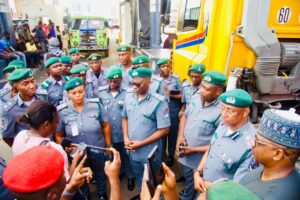
The Customs Area Controller of Apapa Command, Comptroller Emmanuel Oshoba, who spoke during the launch at the Apapa Port described the ECTS as a strategic innovation that enables real time monitoring of cargo movement from the point of departure to the final destination.
Meanwhile, he pointed out that the system uses electronic seals and handheld devices to track containers, ensuring transparency, preventing tampering, and eliminating diversion of goods in transit.
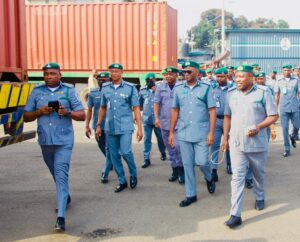
Moreso, Comptroller Oshoba disclosed that Apapa Command, is serving as the pilot stage for the nationwide rollout of the initiative and the technology would drastically reduce the need for physical escorts, as customs officers can now monitor cargo movement electronically.
Thankfully, Comptroller Emmanuel Oshoba also commended the vision of the Comptroller-General of Customs, Bashir Adewale Adeniyi, describing him as a reform-driven administrator who has consistently championed automation and innovation.
Furthermore , he disclosed that the ECTS has already been implemented in several countries and as the current Chairperson of the World Customs Organization (WCO), the CGC has ensured that Nigeria adopts similar modern tools to improve its trade environment.
Meanwhile, the Head of B’Odogwu Implementation at Apapa Area Command, Deputy Comptroller Aondona Christopher Fanyam, also explained that before the container reaches Kano command, it remains sealed and cannot be opened until proper authorisation is confirmed at the destination.
Additionally, he said the ECTS provides three secure methods for unlocking a container, which is remotely through the central control system, locally via an authorised handheld device such as a mobile phone used by trained officers, or by using a physical unlocking card designed specifically for use at the destination.
Aside from this, he said these layered access options are part of the system built in safeguards to prevent unauthorised tampering or diversion during transit.
He said the combination of remote control, handheld verification, and a physical card ensures that only properly authorised personnel can release cargo, reinforcing cargo integrity and strengthening overall security and revenue protection.
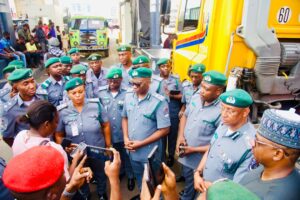
The Team Leader of the training unit , Chief Superintendent of Customs , Rosemary Ebele Wenceslas said the service has trained a total of 12 officers participating in the pilot phase of the Electronic Cargo Tracking System (ECTS).
The team, according to the report comprises personnel drawn from the Rapid Response Unit of the Federal Operations Unit (FOU) Zone ‘A’, Ikeja, and the Enforcement Team of Apapa Area Command.
Commenting further, Rosemary Ebele Wenceslas, said officers have undergone intensive training to ensure they are fully prepared to manage and operate the new tracking technology efficiently.
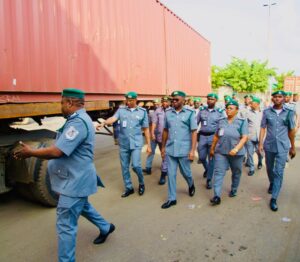
She said all Standard Operating Procedures (SOPs) related to the ECTS have been clearly communicated to them, enabling smooth implementation of the initiative.
CSC Wenceslas further pointed out that with the knowledge and technical capacity they have acquired, the officers are well equipped and ready to deploy the devices effectively, ensuring that the pilot stage achieves its objectives of enhanced cargo monitoring, security, and trade facilitation
About The Author


